
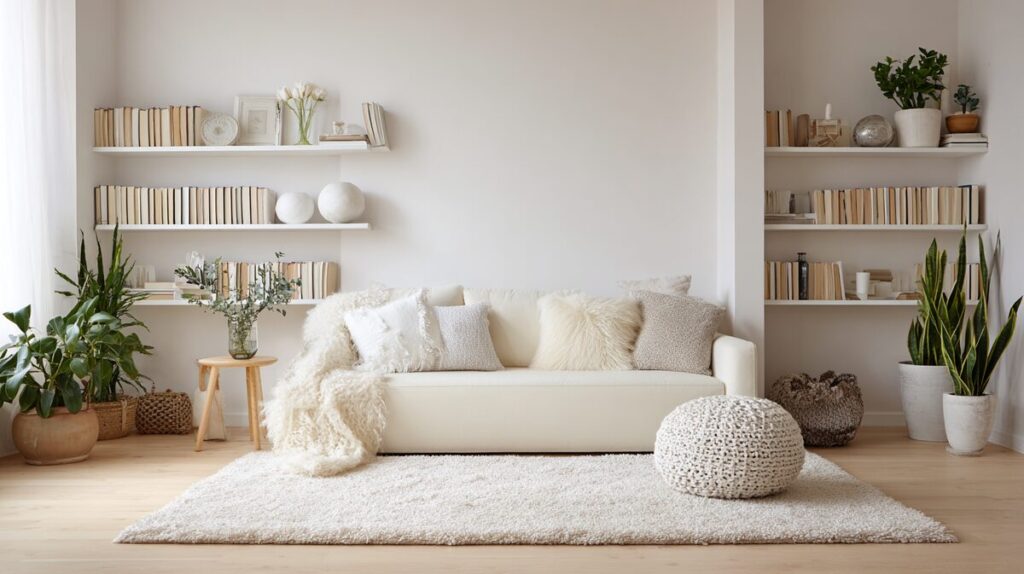
In Southern California homes, the living room is rarely a contained box. More often, it’s the central hub—the heart of the house—where kitchen, hallway, and yard all meet. With sliding doors open to the garden, or seamless connections to a bustling kitchen, this space gathers every thread of daily life and radiates it throughout the home. How does such an open and essential area shape the way we feel and connect with one another?
To answer this, we can turn to the ancient art of environmental psychology—what the East calls Feng Shui—for a modern interpretation. Feng Shui views the living room as the gathering point of energy, a setting where the design doesn’t simply reflect our lives, but actively shapes them. In open-concept homes, energy can be vibrant and refreshing, but without mindful arrangement, it may become scattered or ungrounded—leaving our spaces feeling hectic rather than harmonious.
What follows is a guide shaped by the realities of Southern California living. We will examine how strategic modifications to layout, material textures, and the overall flow of a living room can cultivate an environment of balance, cohesion, and authentic connection, regardless of its architectural openness or interconnection.
Understanding the Living Room’s Role in Feng Shui
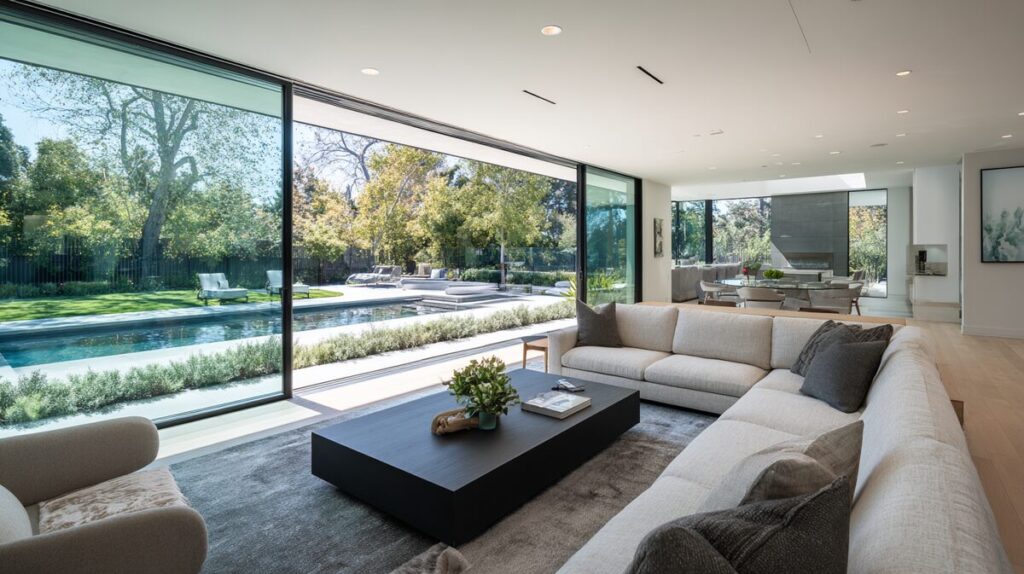
The living room, often a nexus within the Southern Californian residence, frequently bridges distinct domestic zones such as the kitchen, outdoor spaces, and transitional hallways. Beyond its evident function as a venue for familial congregation and guest reception, this space operates as a critical energetic epicenter, influencing and reflecting the prevailing emotional climate of the household. As observed from a psychological perspective, “The living room sets the emotional tone of the home — its openness can welcome connection, or scatter attention if not grounded.” This centrality underscores its profound impact on both social cohesion and individual focus within the domestic sphere.
This insight gets to the heart of why Feng Shui in the living room is about more than decoration. When thoughtfully arranged, this space can nurture a grounded, cohesive energy that helps anchor daily life. Without attention to flow, zones, and boundaries, however, the openness that defines so many Southern California homes can leave a space feeling adrift—busy, yet disconnected. That’s why living room Feng Shui prioritizes cohesion and stability, using design not only to invite interaction but also to provide a reassuring sense of order and belonging.
Common Energy Patterns in SoCal Homes
Southern California homes are known for their architectural variety—and each layout comes with its own patterns of energy flow. By understanding these typical scenarios, it becomes possible to address not just style, but the subtle atmosphere that shapes how we feel in our living spaces.
Open-Concept Living Rooms in Irvine
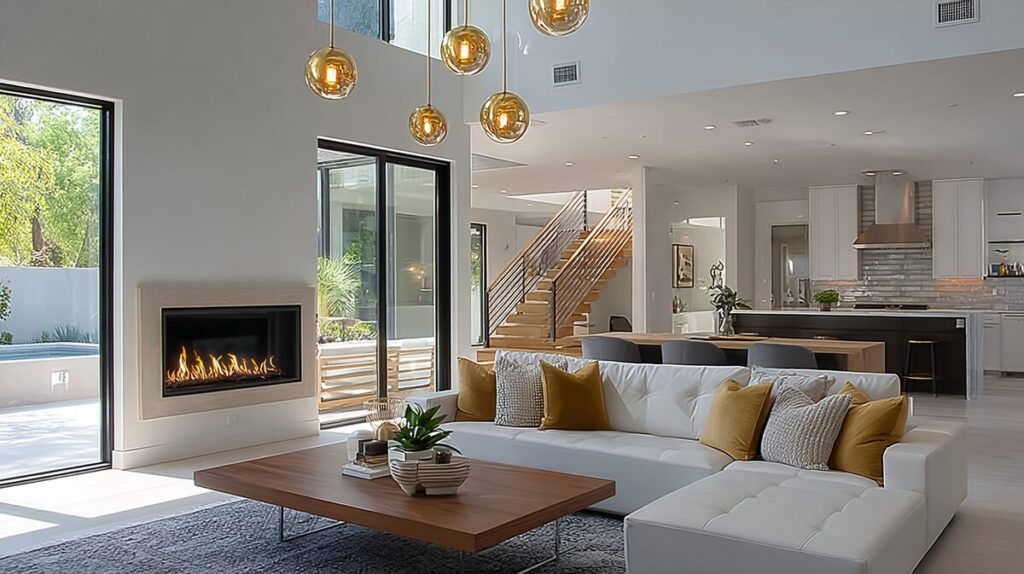
In many Irvine homes, the living room flows directly into the kitchen, hallway, or even the backyard. This openness encourages connection but can cause Qi to “leak” or move too quickly through the space. The result may be a room that feels restless or lacking a sense of comfort. To counteract this, anchor the layout with a light beige carpet that covers the entire living space area, creating a clear and inviting zone. Pair it with ceiling lights or a group of houseplants to gently define spaces and encourage energy to circulate rather than rush out the door.
Small Condos in Pasadena
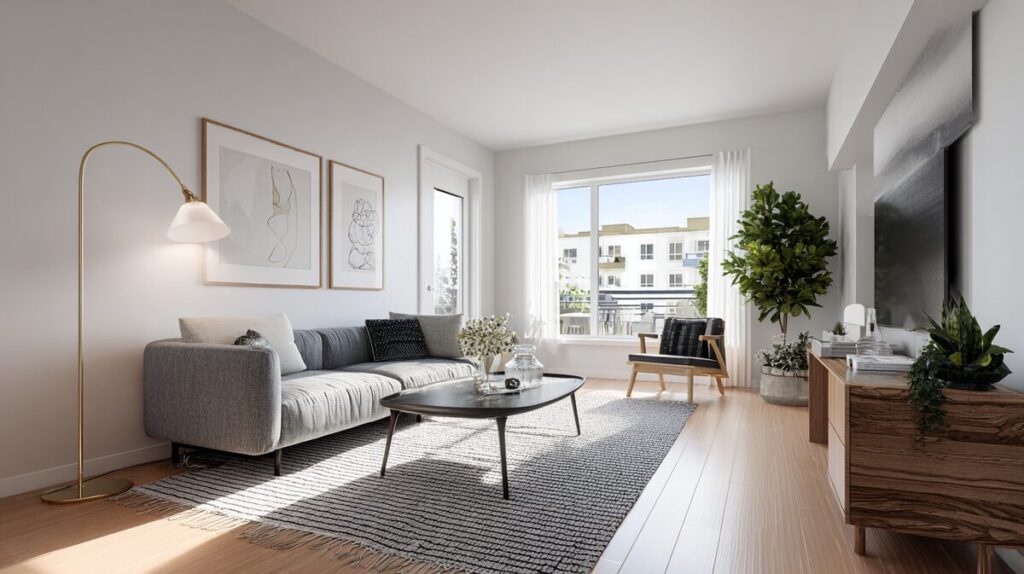
Compact condos, especially older ones in cities like Pasadena, often have closed layouts with narrow walkways and limited windows. Here, airflow—and with it, energy—can easily stagnate, giving rise to a heavy or dull ambience. To promote lively, refreshing Qi, strive for openness wherever possible: remove unnecessary barriers, use mirrors to bounce light, and keep pathways unobstructed. Even a single potted plant can serve as a gentle catalyst for movement and renewal.
Traditional American Homes with Fireplaces
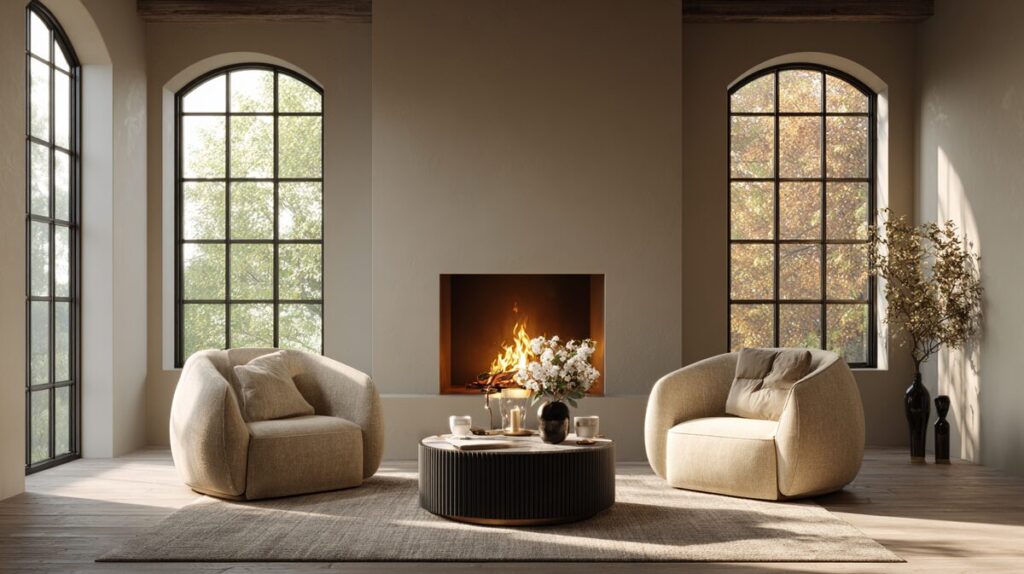
Classic suburban homes across Southern California frequently feature a fireplace as a living room centerpiece. While the hearth gathers warmth and invites people to linger, it can also dominate the room’s energy, at times creating disruptive flow or drawing all attention to a single spot. The solution is to balance the dynamic “fire” element by introducing water features (such as a small fountain), soft textiles, or circular arrangements of seating. This diffuses intensity, encouraging warmth without overwhelming the space.
By recognizing these patterns and their influence, you can begin to shape your living room into a hub that genuinely supports connection and well-being.
The Importance of the Coffee Table
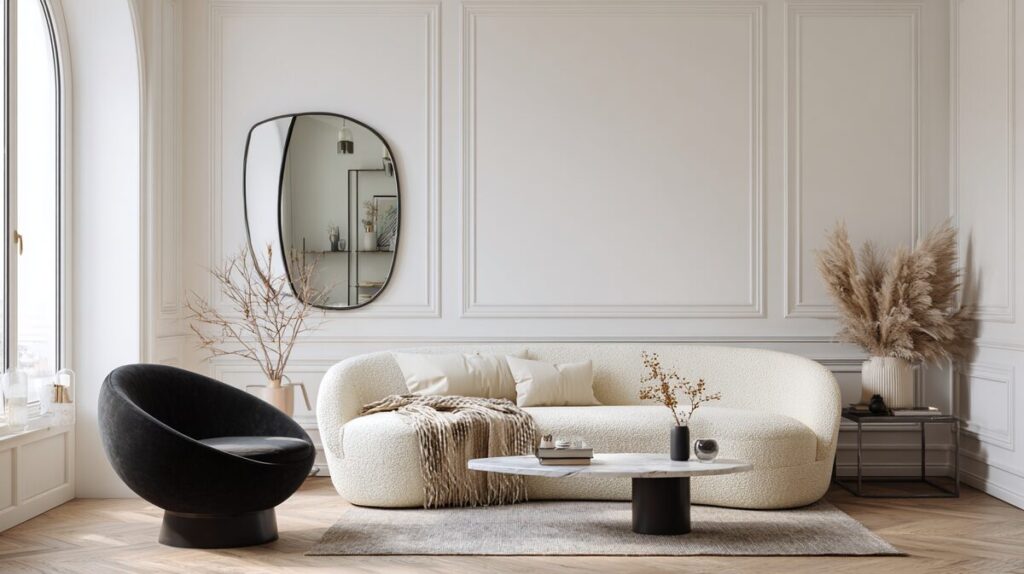
The coffee table acts as a central anchor for the seating arrangement. A round or oval table is often preferred in Feng Shui as it lacks sharp corners, or “poison arrows,” which are believed to direct aggressive energy toward those seated nearby. From a practical design standpoint, curved shapes soften a room and facilitate easier movement around them. If you have a square or rectangular table, ensure it is positioned to minimize the impact of its corners on seating areas.
The Role of Color and the Five Elements
Color is a powerful tool in both Feng Shui and modern psychology for influencing mood and energy. Feng Shui utilizes the theory of the Five Elements—Wood, Fire, Earth, Metal, and Water—to create balance. Each element is associated with specific colors, shapes, and materials that can be used to enhance desired qualities in a space.
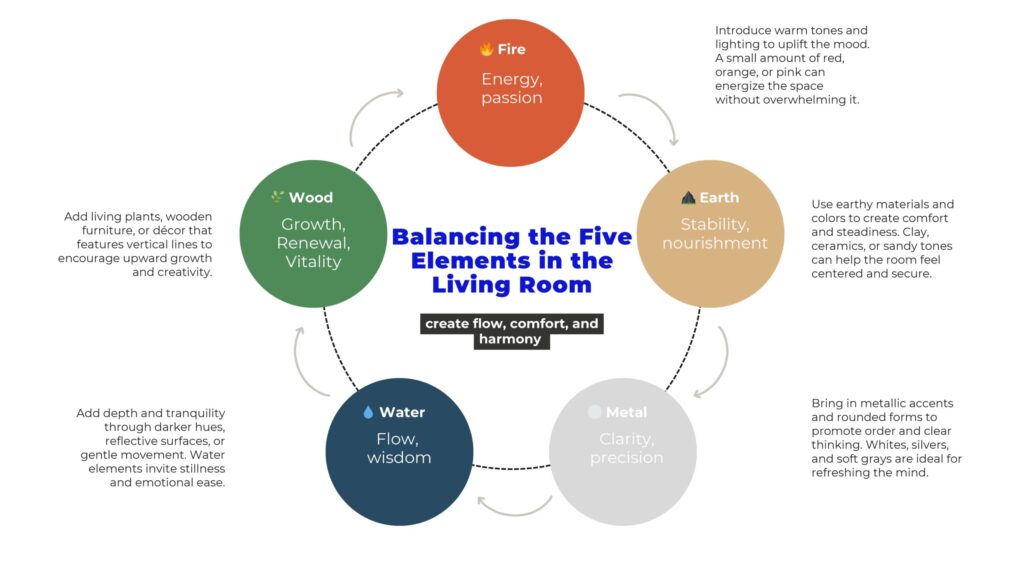
- Wood (Greens): This element, symbolizing growth and vitality, is best integrated through natural materials such as furniture crafted from sustainably sourced timber, living plants like a thriving Fiddle Leaf Fig or a lush terrarium, or textiles in varying shades of green. These additions foster a sense of renewal and connection to nature, aligning with the historical understanding of Wood as a force for gentle expansion.
- Fire (Reds, Oranges, Pinks): Representing passion, energy, and inspiration, Fire elements should be introduced judiciously. While vibrant reds or fiery oranges can ignite a space, excessive application may lead to overstimulation or agitation. Therefore, it is advisable to employ these colors as strategic accents—such as a handcrafted terracotta vase, a cushion with warm, intricate patterns, or a piece of abstract art with fiery hues—rather than in large swaths, thus maintaining a balanced energetic flow.
- Earth (Yellows, Beiges, Sandy Tones): The Earth element signifies stability, nourishment, and grounding. These foundational tones, including soft yellows, various beiges, and sandy textures, are ideally suited for expansive surfaces. Consider their application on living room walls, as the primary color of large furniture pieces like a substantial sofa, or through natural flooring materials, thereby creating a serene and supportive anchor for the room’s energy.
- Metal (Whites, Grays, Metallics): Associated with clarity, precision, and efficiency, Metal colors encompass crisp whites, a spectrum of grays, and reflective metallic finishes. These can be introduced through architectural elements like sleek picture frames, contemporary lighting fixtures, or thoughtfully placed decorative objects. The precise and clean nature of Metal contributes to an environment that encourages focus and order.
- Water (Blacks, Dark Blues): This element embodies wisdom, serenity, and the continuous flow of energy. Deep blacks and various shades of dark blue are particularly effective when used as accents to impart depth and a contemplative calm to a space. Consider integrating these colors through elements such as a dark, polished coffee table, a nuanced piece of textile art, or carefully chosen decorative items that invite introspection without overwhelming the senses.
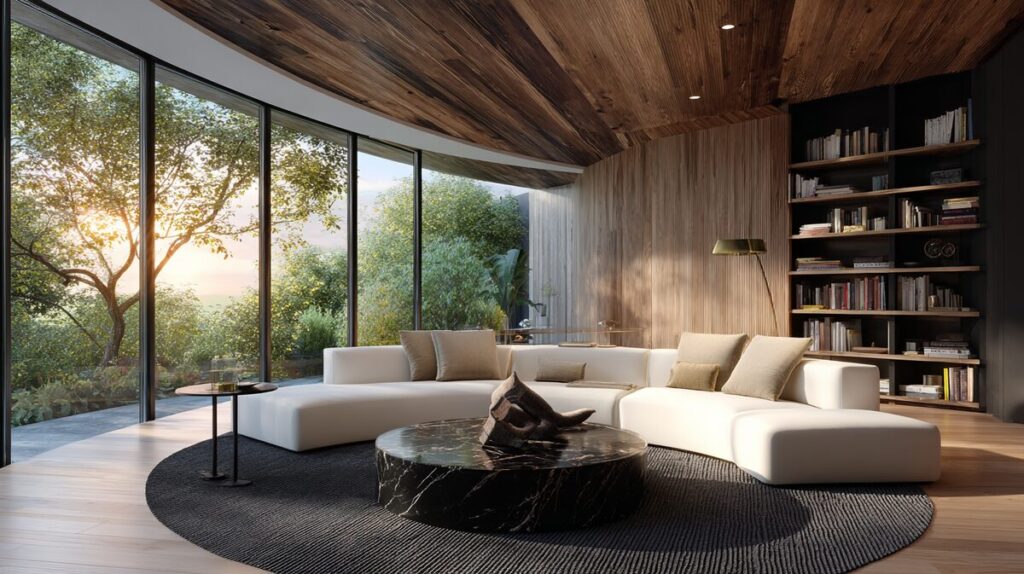
A balanced living room incorporates a harmonious blend of these elements. For example, a room with wooden floors (Wood), a beige sofa (Earth), and red accent pillows (Fire) creates a dynamic yet stable environment.
Lighting, Mirrors, and Enhancing Natural Energy
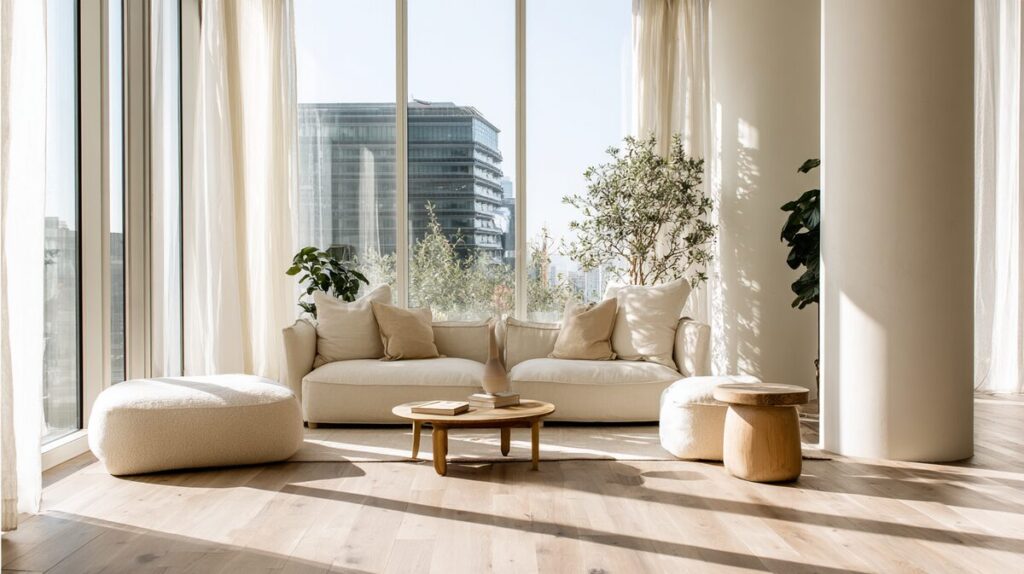
Light is a primary source of Yang energy, representing activity and vibrancy. A bright, well-lit living room feels more energetic and positive. Maximize natural light by keeping windows clean and using sheer curtains. Supplement with layered artificial lighting, including ambient overhead lights, task lighting for reading, and accent lights to highlight artwork.
Mirrors are often called the “aspirin of Feng Shui” for their ability to correct spatial imbalances. A well-placed mirror can make a small room feel larger, brighten a dark corner, and symbolically double positive elements, the mirror is best placed to reflect the beautiful scenery outside the window—such as a tree or a stretch of sky—bringing the “good view” indoors. However, they should be used with intention. Avoid placing a mirror directly opposite the main entrance, as it can push incoming energy back out the door.
Decluttering: The Foundation of Good Feng Shui
Before implementing any other changes, the most crucial step is to declutter. Clutter represents stagnant energy, which can contribute to feelings of stress and being overwhelmed. The practice of clearing physical clutter has been shown to have a direct positive effect on mental clarity and emotional well-being.
Regularly edit your belongings, keeping only what is useful, beautiful, or holds positive sentimental value. An organized and uncluttered environment allows Qi to flow freely, creating a foundation for a healthy and harmonious home. A tidy living room is not just aesthetically pleasing; it is an energetic necessity for a peaceful state of mind.
When Your Space Feels Aligned, Life Follows
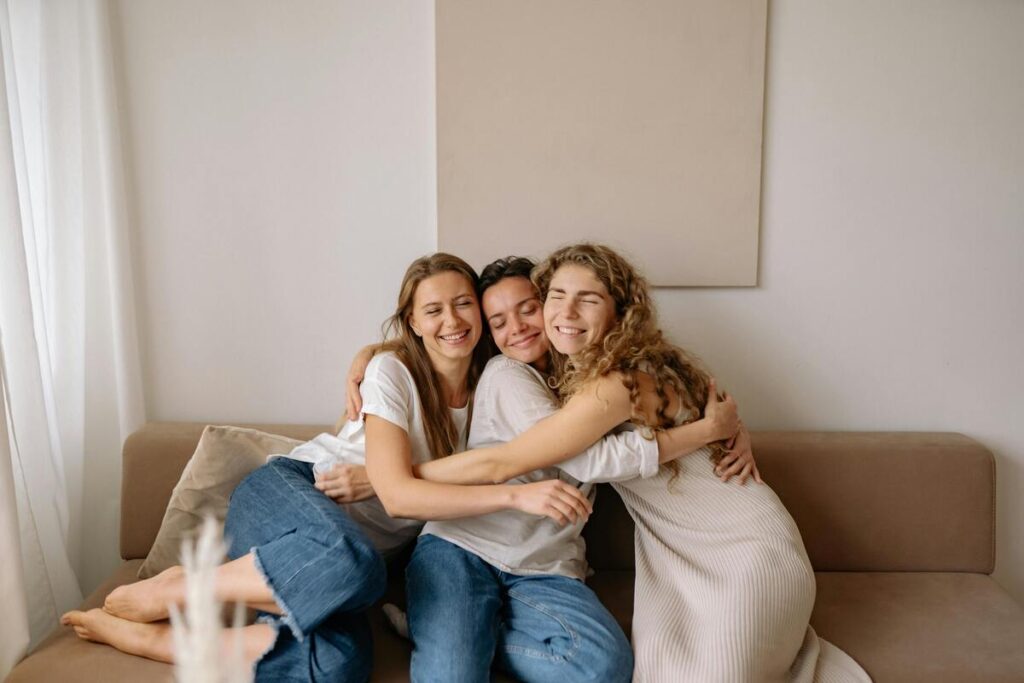
Bringing Feng Shui into your living room is less about rules and more about nurturing a space that truly feels like home. When your living room is open yet grounded, comfort deepens, conversations linger, and your home begins to uplift rather than exhaust you. Each deliberate refinement, however seemingly minor—be it the removal of an obstruction or the strategic placement of a botanical element—initiates a profound shift, guiding your domicile toward an amplified state of equilibrium.
For those who find these Feng Shui principles inspiring but would like more personalized guidance, I offer one-on-one consultations tailored to your home’s unique layout and energy.
👉 Schedule your personalized Feng Shui consultation here to begin creating a space that truly supports balance, connection, and well-being.