
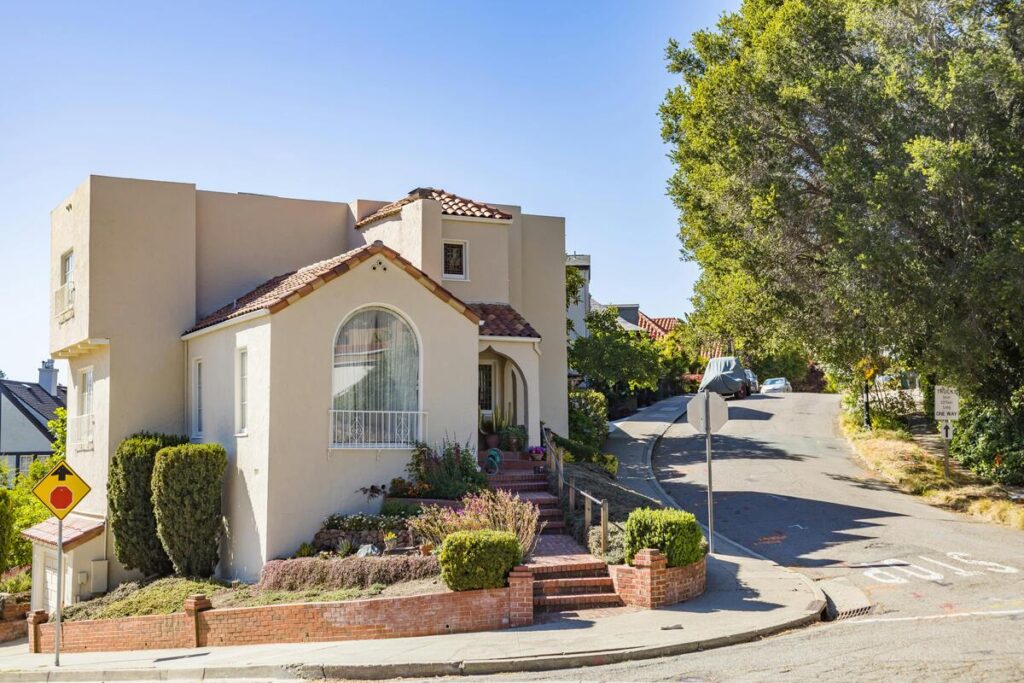
Corner lot homes are common across the U.S. For good reason, too. They often look more open, feel more “premium,” and photograph beautifully. A corner lot can also mean extra light, better airflow, and a bigger sense of space compared with a typical interior lot.
But there’s another side to that openness. Corner lots sit closer to everyday movement: cars turning, headlights sweeping, pedestrians cutting through, and the subtle “decision points” where traffic changes direction. From a feng shui perspective, and even from an environmental psychology perspective, that extra exposure can affect how settled a home feels day to day.
Here’s what I look for when a corner lot feels grounded, and what usually makes it feel scattered.
What Counts as a Corner Lot
A corner lot is a property positioned at or near the meeting point of two streets, meaning it typically has two street-facing sides instead of one. In some neighborhoods, a home can even feel exposed on three sides, especially near an entry sequence where the main road turns and wraps around the lot.
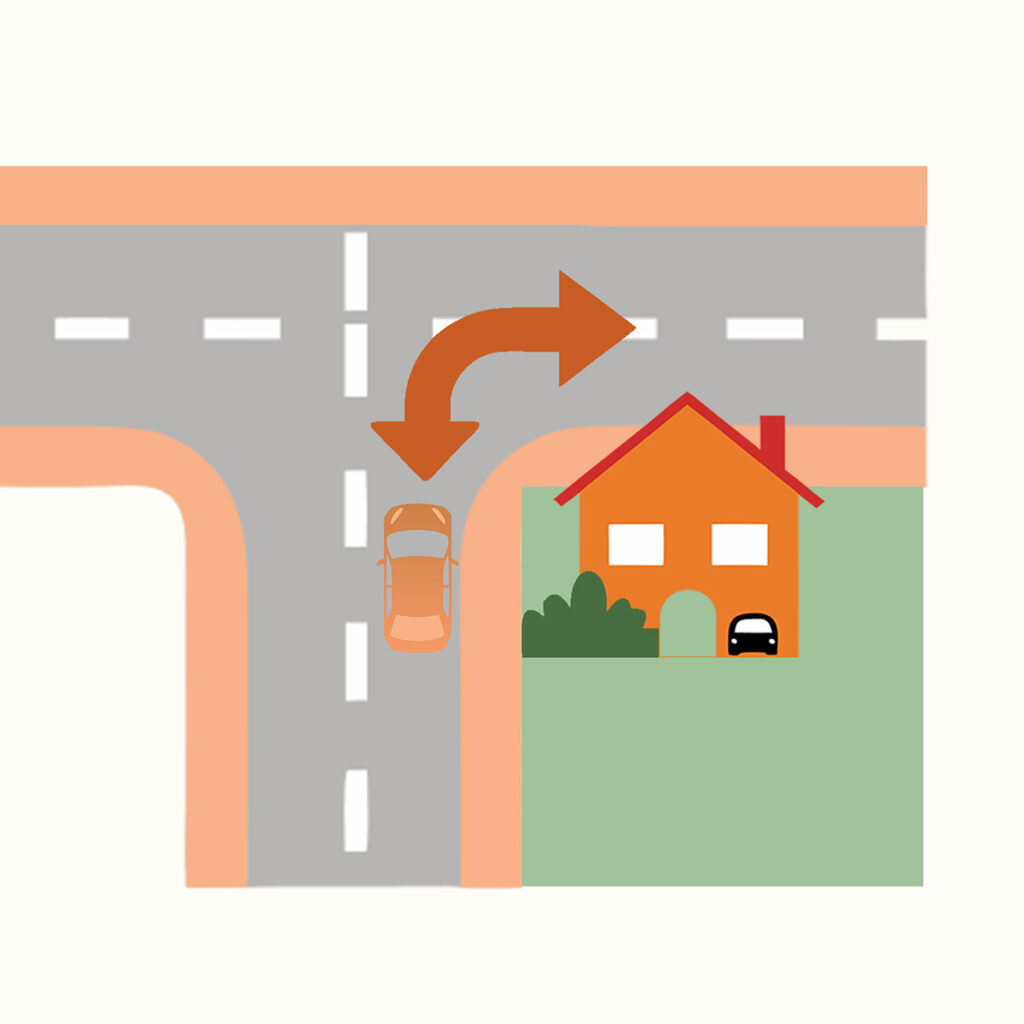
Here’s a common misunderstanding. Many people picture a corner lot as a neat four-way intersection on a map. In real neighborhoods, it’s often messier than that.
From a feng shui perspective, the reason corner lots feel different is simple. When two streets meet along your property edges, the flow around the home has to shift. Movement doesn’t just pass by in one direction. It slows down, turns, splits, and re-forms along the boundaries, creating a more noticeable energy transition around the site.
That’s why, when I talk about “corner lot conditions,” I also include homes that sit next to these everyday decision points in traffic flow:
- A T-junction where homes along the stem experience frequent turning movement
- A corner where traffic consistently curves around the lot
- A neighborhood entry or merge area where cars slow down and choose directions
Common Challenges Corner Lots Tend to Create
1) More Exposure = Harder for Energy to “Settle”
From a feng shui perspective, this is where people talk about qi dispersing. The home has a harder time holding a calm, settled atmosphere because movement keeps pulling outward.
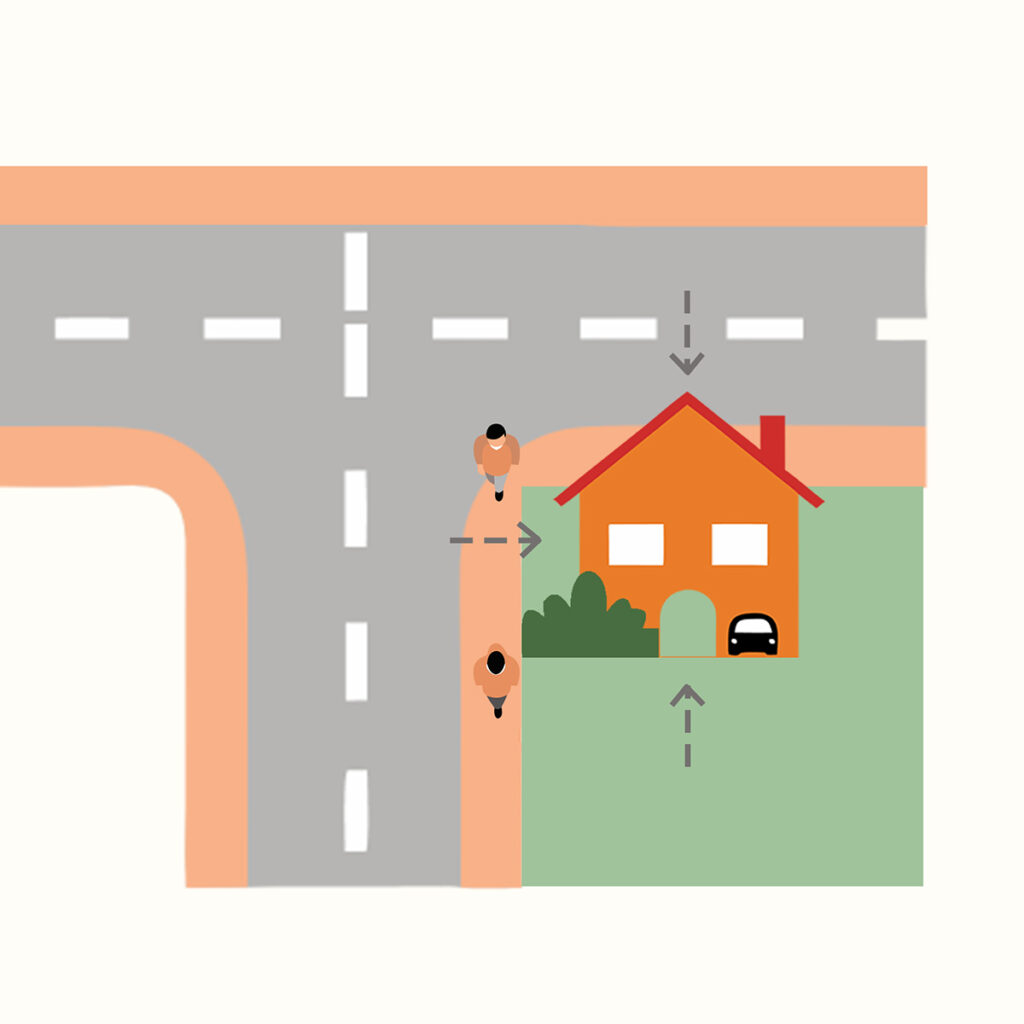
This is also where it helps to separate residential and commercial logic:
- Commercial spaces benefit from flow, visibility, and foot traffic.
- Homes typically benefit from a sense of pause, privacy, and gentle containment.
A home doesn’t need to be hidden, but it does need a way to transition from public movement to private rest. Corner lots sometimes skip that transition unless you build it intentionally. It can leave you with an “on-stage” feeling, as if the home and entry are always on display.
2) Weaker Left–Right Protection (Side Imbalance)
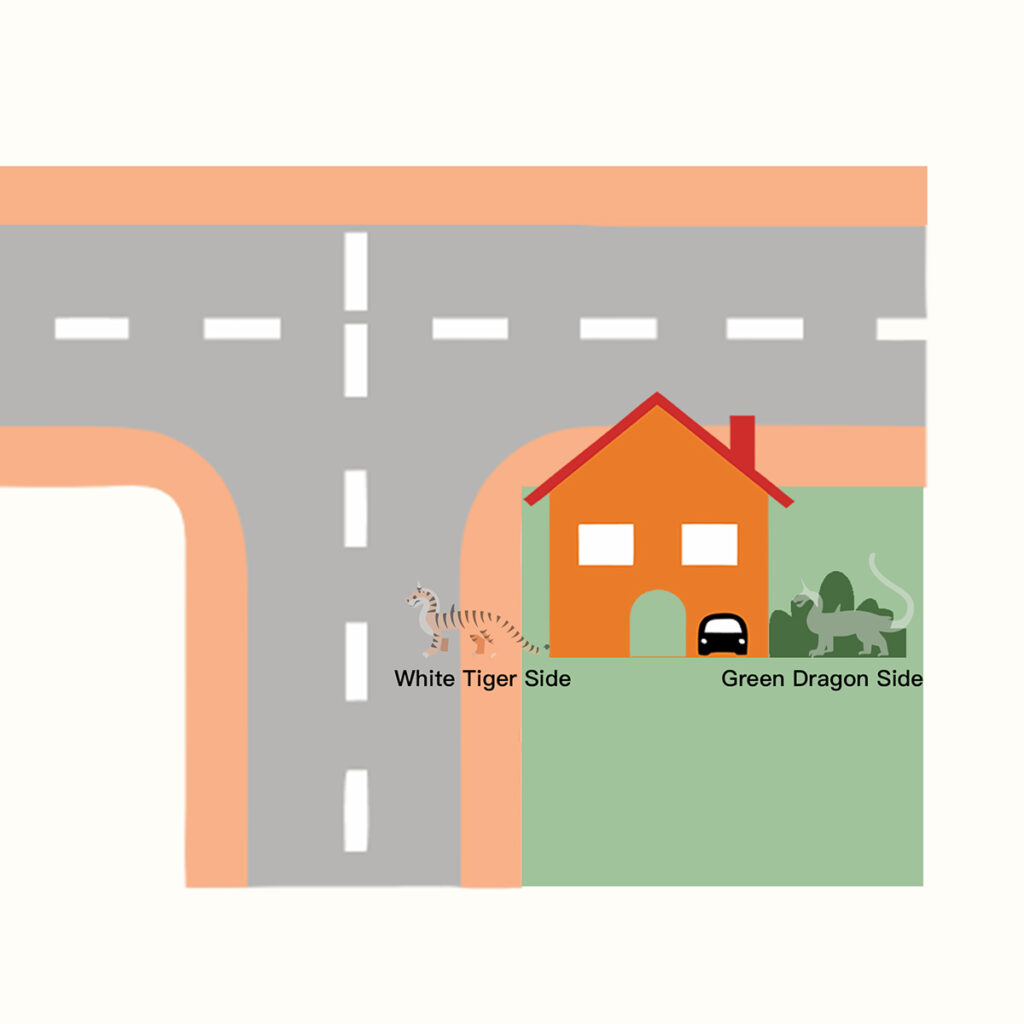
In traditional feng shui, there’s a simple idea of left–right support, often described as the Green Dragon and White Tiger sides. If you want the full background, I wrote a separate post on the Four Symbols here: The Four Celestial Animals in Feng Shui.
The concept itself is very practical. A home feels more stable when both sides offer some protection, almost like the site has “arms” that gently hold it. Think of it as someone opening their arms around the house. That subtle sense of enclosure is what makes a space feel grounded and safe.
Corner lots often weaken that feeling because one side is naturally more exposed to the street. When one edge is open and active while the other side is more contained, the home can start to feel uneven, as if it’s being pulled toward the more exposed side.
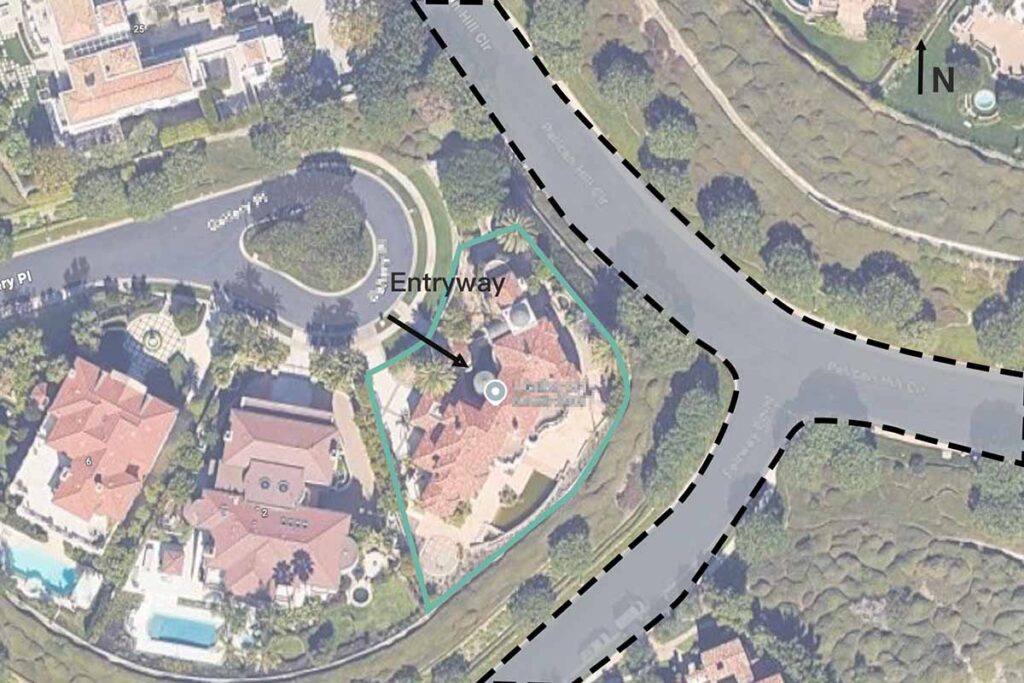
3) Irregular Lot Shapes and Awkward “Front Yard” Logic
Many corner lots aren’t neat rectangles. They’re often polygonal or simply irregular, shaped by setbacks, sightline requirements, and road geometry.
That can create design challenges that are both feng shui-relevant and very practical:
- The “front yard” becomes unclear and sometimes stretches along two sides
- The most visible edge may not be the one you want to emphasize
- The outdoor space can feel harder to use, harder to enclose, and harder to make feel “finished”
In feng shui terms, irregular shapes can create weak zones or areas that feel “missing.” Sharp angles can also feel visually aggressive, which adds to a subtle sense of impact or tension around the site.
How to Improve a Corner Lot Home
The most effective improvements for a corner lot usually come down to two moves: building a stronger buffer along the exposed edges, and clarifying where the home “receives” energy through the front yard and entry.
- Use Planting as a Buffer to Strengthen the Boundary
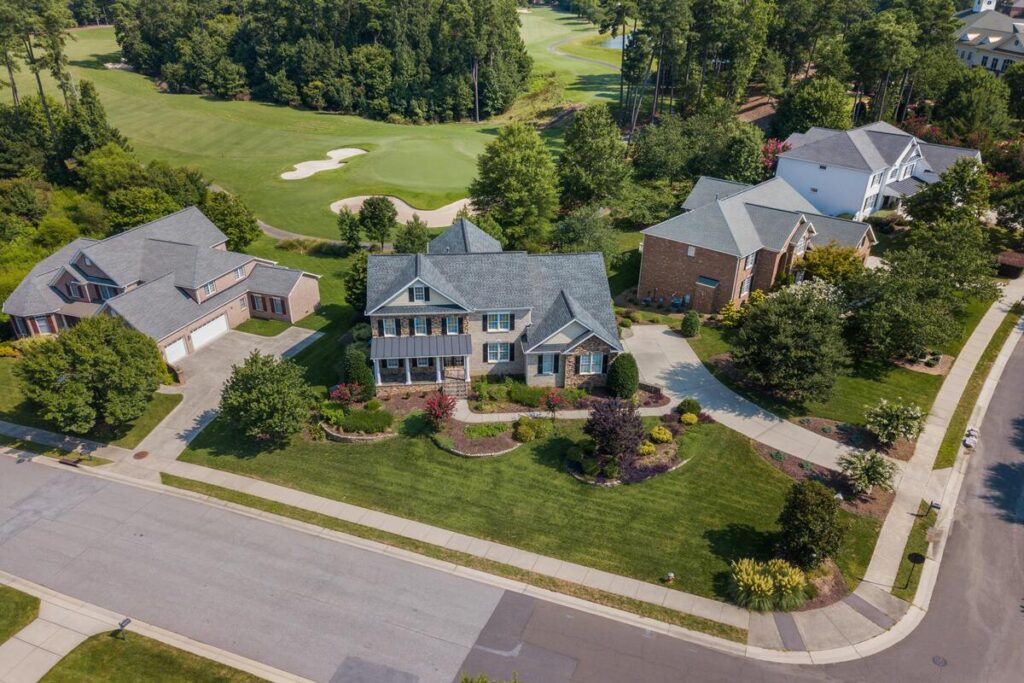
Because a corner lot is exposed on two street-facing sides, the goal is not to block the home completely, but to create a calmer transition between public movement and private space. Thoughtful planting can soften that exposure without making the property feel closed off.
A layered buffer works best. Low shrubs, medium-height plants, and a few taller trees can break long sightlines, reduce headlight sweep, and gently filter noise. It also gives the lot a clearer edge, so the home feels more contained and less “on display.”
- Strengthen the Front Yard and Make the Entry Unmistakable
In feng shui terms, the front yard and entry function as a main receiving zone. On a corner lot, one side often feels more active than the other, and that can make the approach feel confusing. Visitors may not immediately sense where the true entrance is, and the overall flow can feel scattered.
A well-designed front yard helps “organize” that movement. Think of it as creating an open, welcoming forecourt that guides energy toward the door. Clear paths, a defined threshold, and a visually coherent front yard composition can make the entry feel obvious and grounded, even when the streets around the home are busy.
Done well, a corner lot settles down fast.