
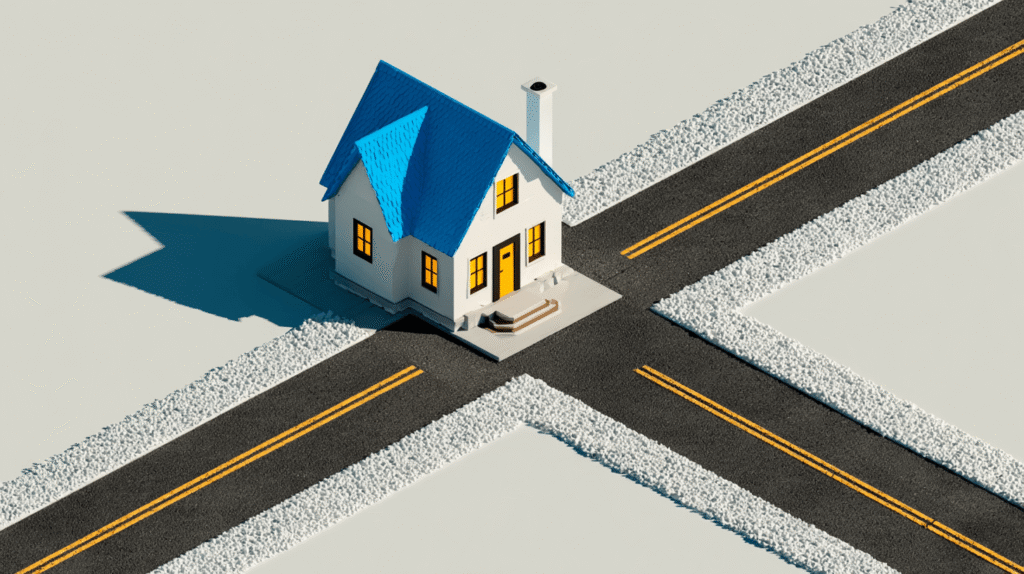
What Is a T-Junction in Feng Shui?
In Feng Shui, a classic T-junction refers to a home located at the end of a straight road—where the street runs directly toward the front of the property. From above, the layout resembles a “T,” with the house positioned at the base.
At first glance, this arrangement may seem perfectly ordinary. After all, many quiet suburban neighborhoods include T-junctions. But in Feng Shui, how movement approaches a home matters just as much as what surrounds it. The direction, speed, and focus of incoming movement can subtly influence how a space feels over time.
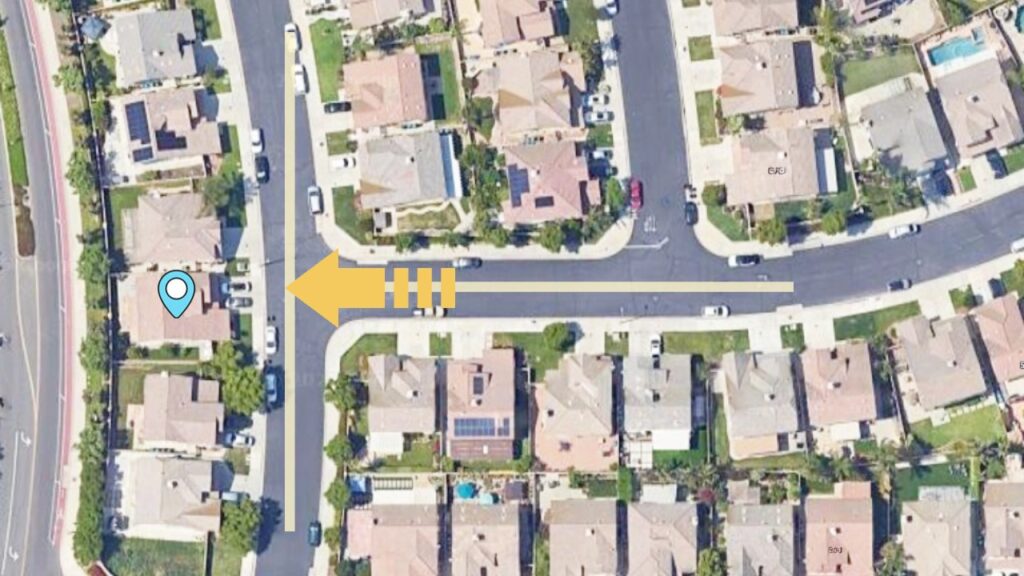
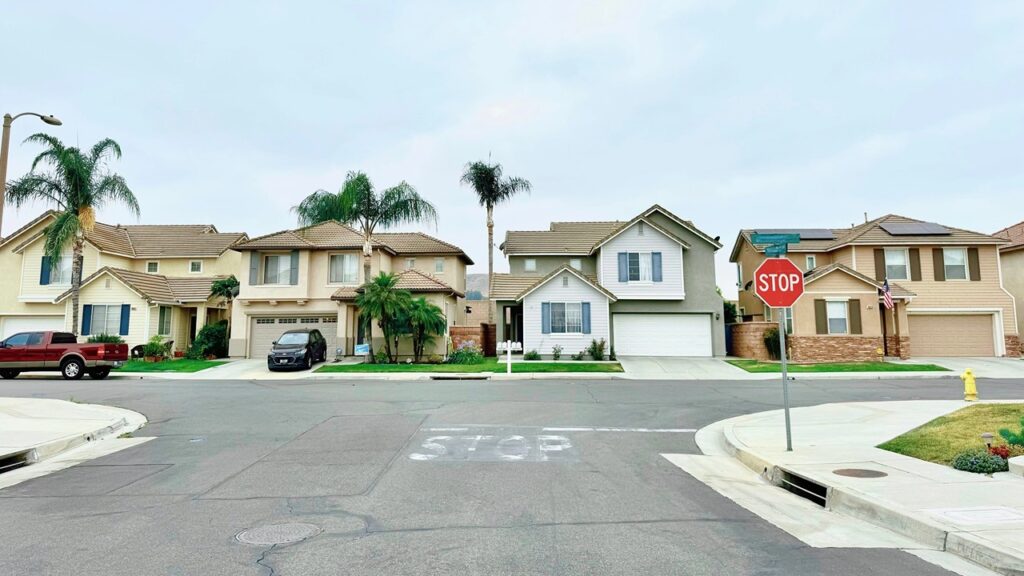
Why T-Junction Homes Feel Different
Before discussing Feng Shui theory, it helps to look at the real-world experience of living in a T-junction home. These factors don’t automatically make a home bad—but they do change how the space is experienced.
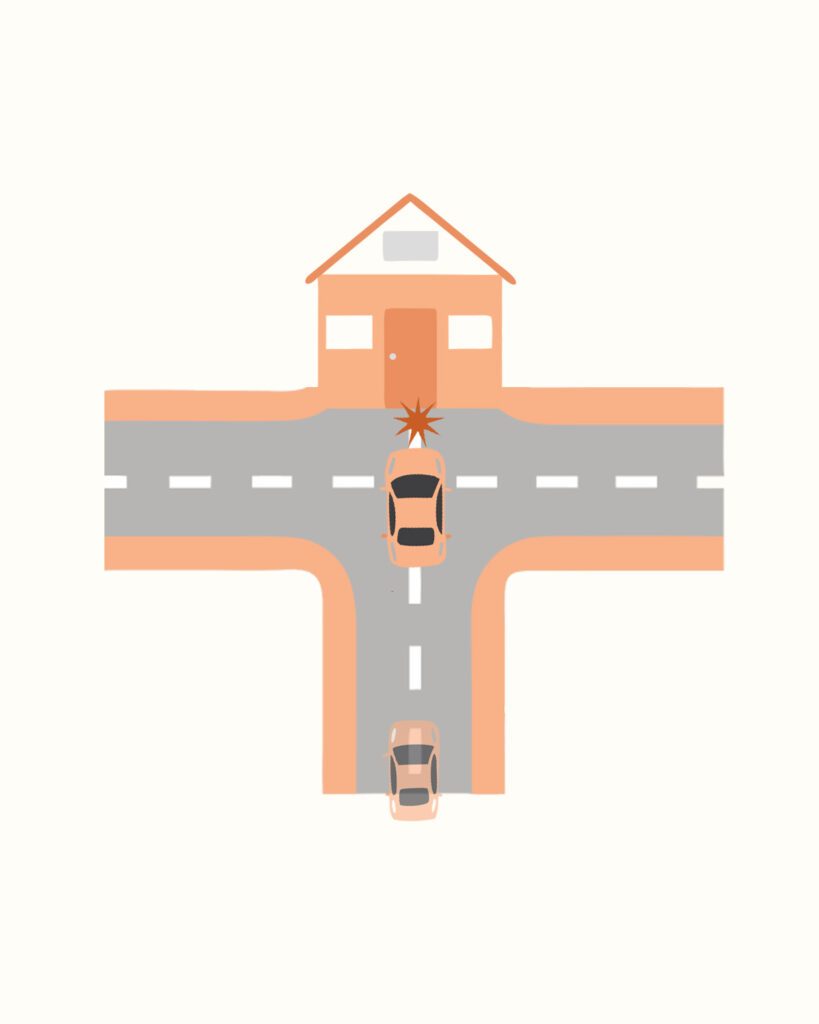
1. Traffic and safety awareness
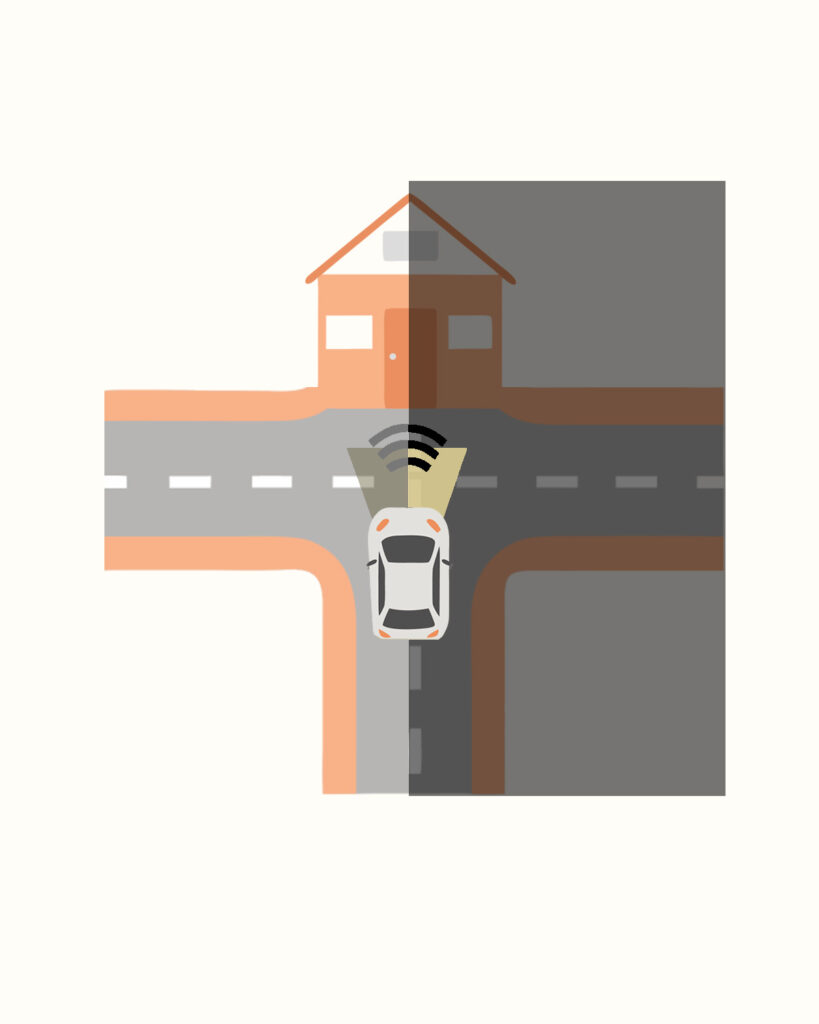
If a driver loses control—due to speeding, distraction, or poor weather—the house directly facing the road is the most exposed. While incidents are rare, this possibility alone often creates underlying tension for homeowners.
2. Noise and light pollution
Every car heading toward the intersection passes directly in front of the home. This often means more engine noise, headlights shining into windows at night, and a stronger sense of constant activity compared to neighboring houses.
3. Reduced sense of privacy
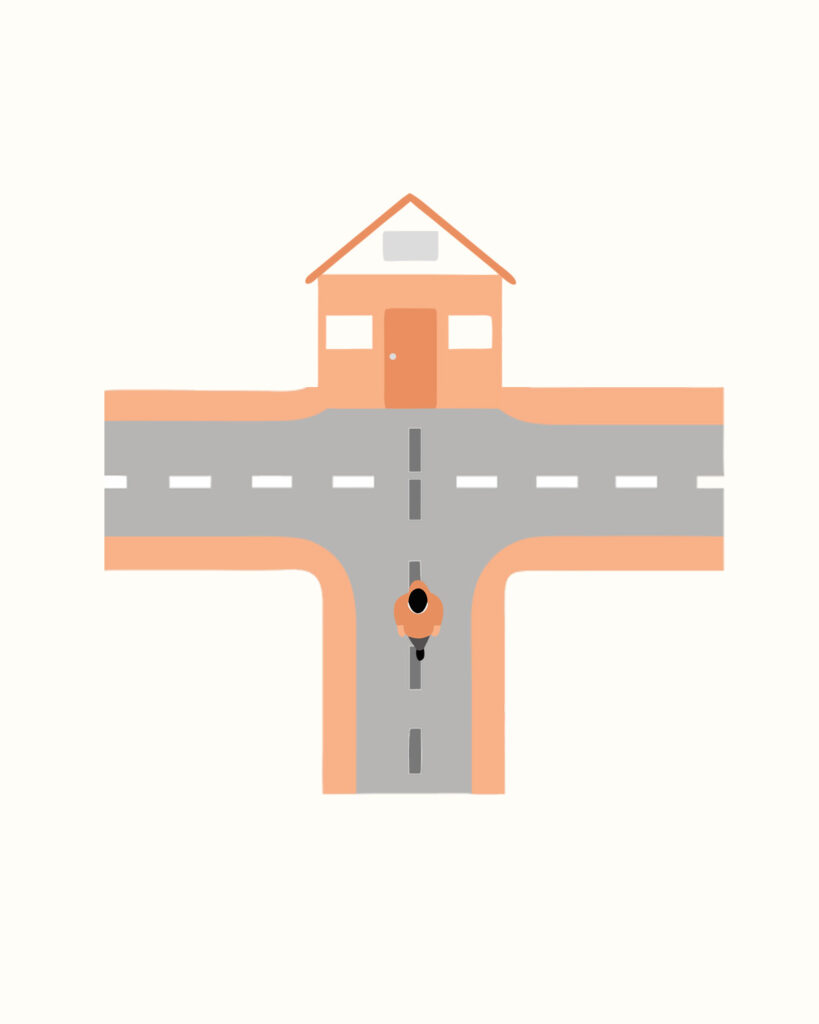
When a road points straight at your front door, your home becomes visually “on display.” Opening curtains, sitting on the porch, or even walking in and out can feel more exposed—something many residents notice subconsciously over time.
The Feng Shui Perspective: Lu Chong (Road Clash)
In traditional Feng Shui, a T-junction configuration is known as Lu Chong, which literally translates to “road clash.” The front of a home represents your path forward—career, opportunities, relationships, and overall vitality. Ideally, this area feels calm, welcoming, and gently supported. When a road rushes directly toward the front door, it creates a constant energetic push—more like standing in front of a fan on full blast than enjoying a steady breeze. Over time, this can manifest as:
- Restlessness or difficulty fully relaxing at home
- Emotional or financial ups and downs
- A subtle but persistent feeling of pressure or unease
This isn’t superstition. It reflects how continuous movement, visual focus, and environmental stimulation affect the nervous system and daily rhythms.
When a T-Junction Is a Real Concern—and When It Isn’t
Not all T-junction homes experience the same level of impact. The key factor isn’t the road itself, but how movement behaves.
1. Long, Narrow, and Straight Roads
These create the strongest effect. When a road acts like an arrow aimed at the front door, energy—and attention—rushes in too quickly.
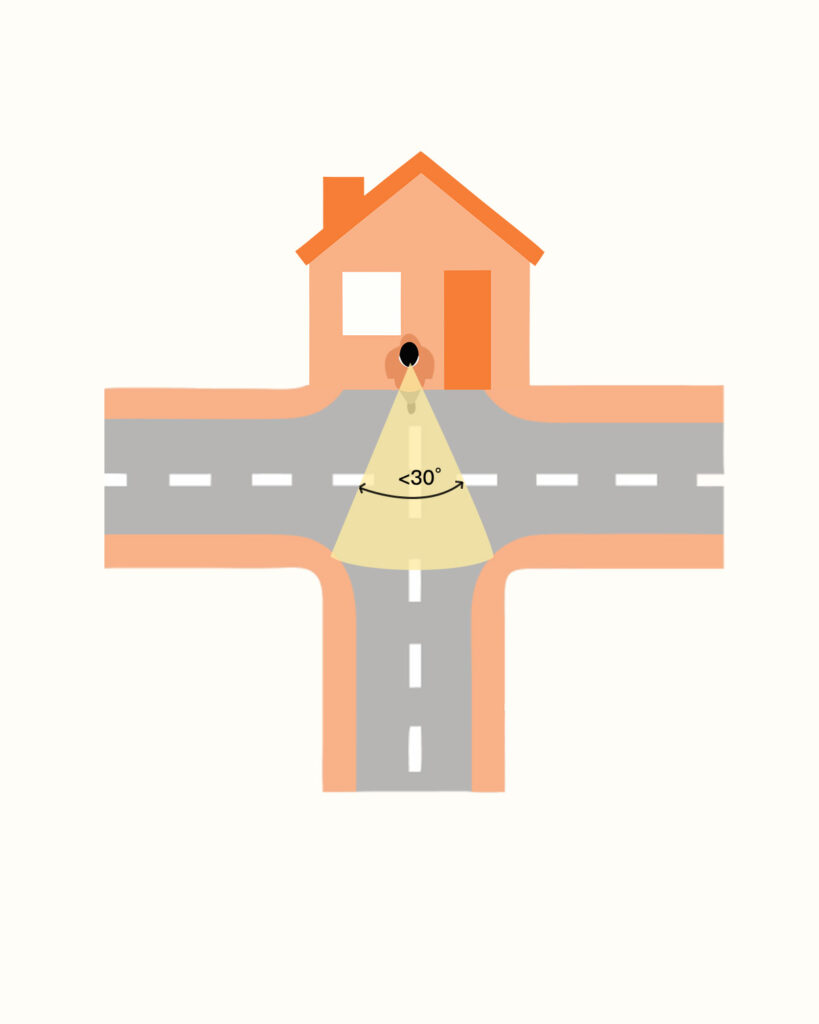
Quick test: Stand at your front door. If the road fills more than about 30 degrees of your field of vision, the approach may be too direct. Wider, more open views allow energy to disperse naturally.
2. Natural or built buffers
Trees, hedges, lampposts, parked cars, or nearby buildings can significantly reduce impact. These elements break visual focus and slow movement, much like windbreaks in a landscape.
Practical Adjustments That Actually Help
1. Create a visual barrier
Hedges, fences, or grouped potted plants help block the direct line of sight from road to door. Decorative screens or trellises work well in smaller spaces.
2. Layer your entrance
Use planters, a bench, lighting, or a welcome mat to create a transition zone.
A curved or offset walkway is far more calming than a straight path from sidewalk to door.
3. Adjust interior alignment
Check whether a straight line runs from the front door toward a bedroom, office, or bed. If so, soften it with sheer curtains, tall plants, or thoughtful furniture placement.
4. Use Bagua mirrors carefully
A convex Bagua mirror is traditionally used to disperse harsh incoming energy. Placement matters greatly—never aim it toward neighbors or public roads without proper understanding.
T-junctions are not about bad luck, but about exposure and speed.
What matters is not the road itself, but how the home receives it.
Related Reading
If you’re interested in how movement shapes residential environments, you may also find these topics helpful: